
Bought a used jacquard loom? When to check the harness
A used jacquard loom comes with the harness of its last job. The signs that it needs attention, what changes with a new fabric or width, and how a harness job runs.
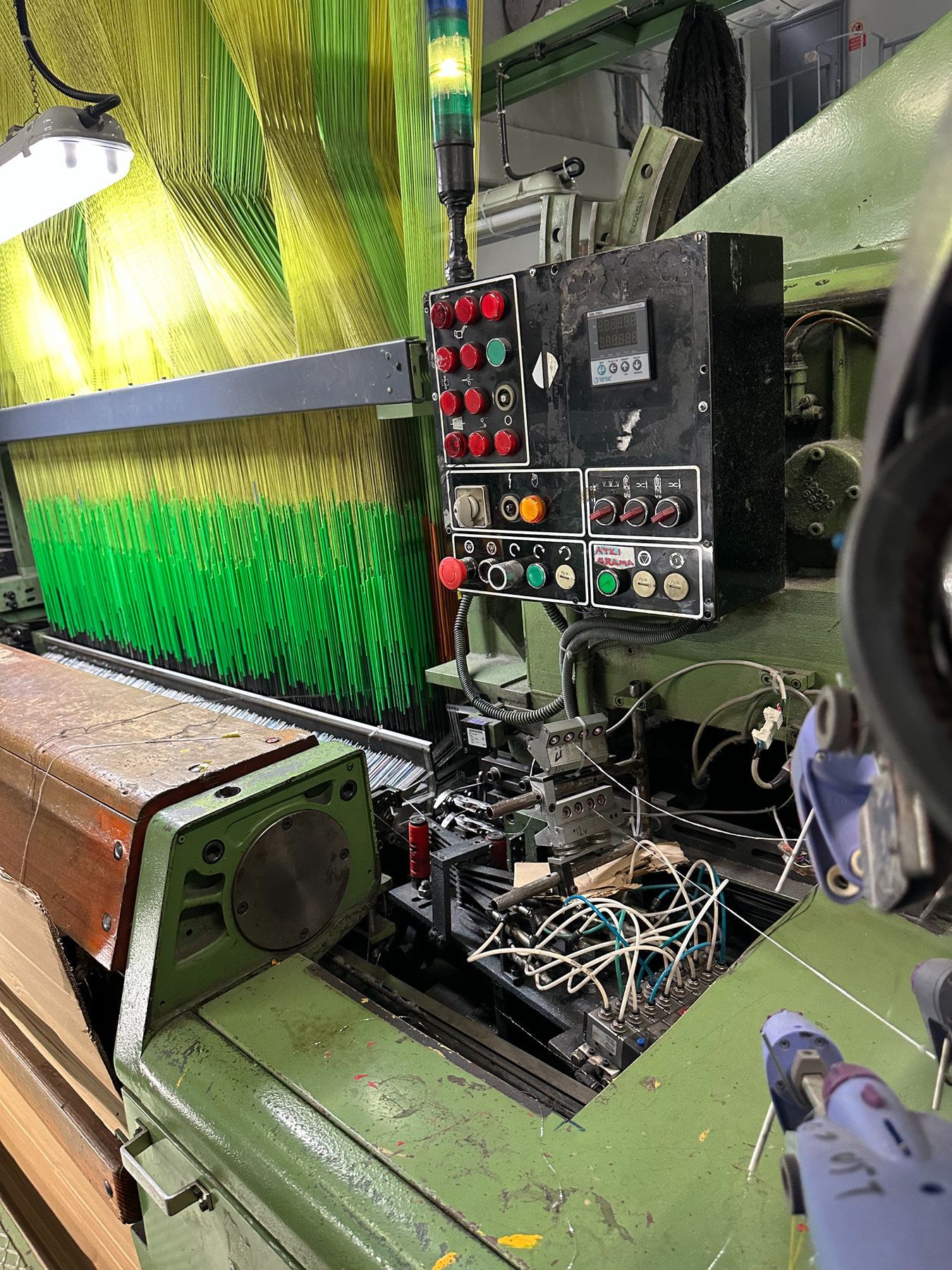
When you buy a used jacquard loom, the machine is only part of the story. Between the jacquard and the warp sits the harness: thousands of heddles, springs, pulleys and cords. A used loom usually comes with the harness it ran with at its last mill, planned for that mill’s fabric, width and design.
That is why our listings show the current setup of each machine: the number of colours, the fabric width, the creel and the feeders. A loom already set up for your product is closer to production.
Signs that the harness needs attention
Whether the harness came with the loom or has been running for years at your mill, these are the signs to look at:
- warp breaks are more frequent than they used to be,
- the shed doesn’t open cleanly or some heddles don’t return,
- cords are worn, heddles rusted or heddle eyes damaged,
- the loom is moving to a different fabric, width or design.
Same fabric, or a new one?
If you will weave the same kind of fabric at the same width as the previous mill, start by checking the condition of the harness against the signs above.
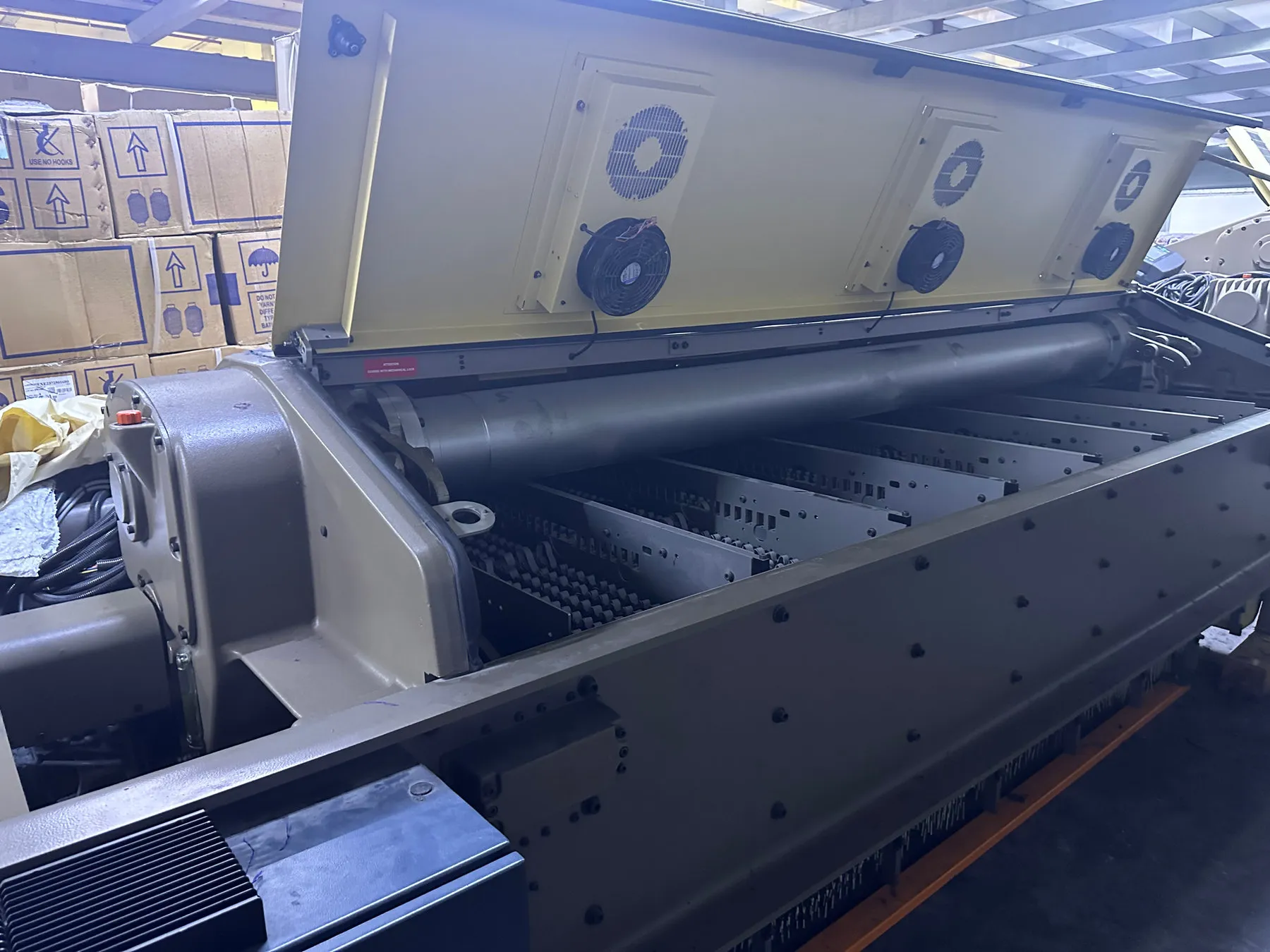
If you will weave something different, or the loom is being widened, the harness plan and the comber board have to be checked against the new job. The comber board keeps the heddles in order, and its hole pattern is made for the width of the loom and the harness plan. When they don’t match, the heddles don’t work in the order they should.

How a harness job runs
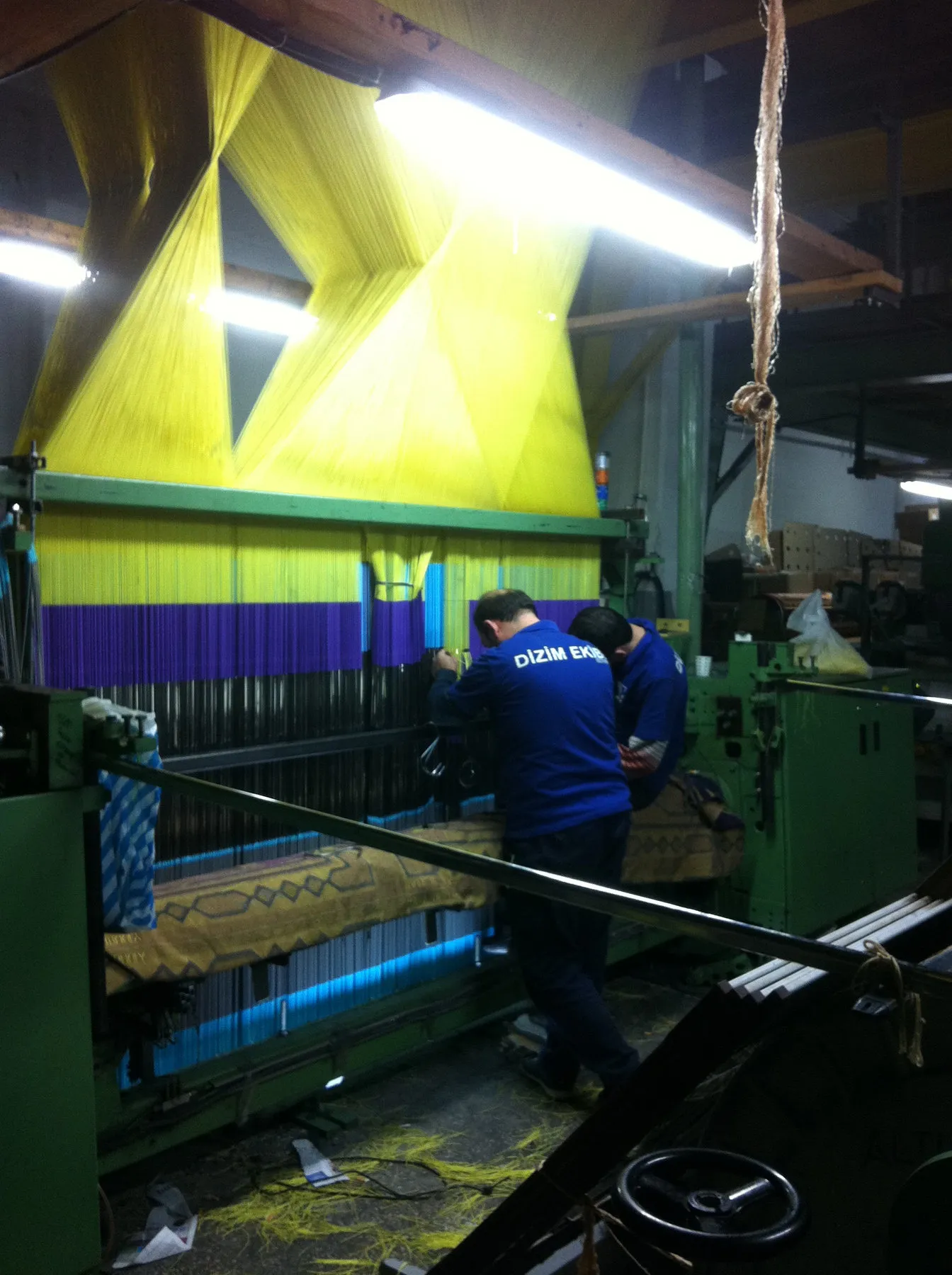
Güryay builds and fits jacquard harnesses through its Harness Masters team. A job runs in four steps:
- Survey: we see the loom, the jacquard and the fabric on site. No charge.
- Plan: hook count, comber board layout, heddle length and spring tension are set for the job.
- Preparation: heddles, springs, pulleys and cord are made up into a set in the workshop.
- Fitting: the team fits the harness on your loom and adjusts it.
We build harnesses for velvet, carpet and prayer rugs, upholstery and satin, labels, narrow fabric and elastic, and terry, in Cenova, Belgian, Spinger and velour tie types.
Plan it with the purchase
If you are buying a loom from our listings, ask about the harness at the same time: tell us what you will weave and at what width. The machine, the shipping, the installation and the harness can then be planned together.
See harness building for details, browse the machines for sale, or message us on WhatsApp.